
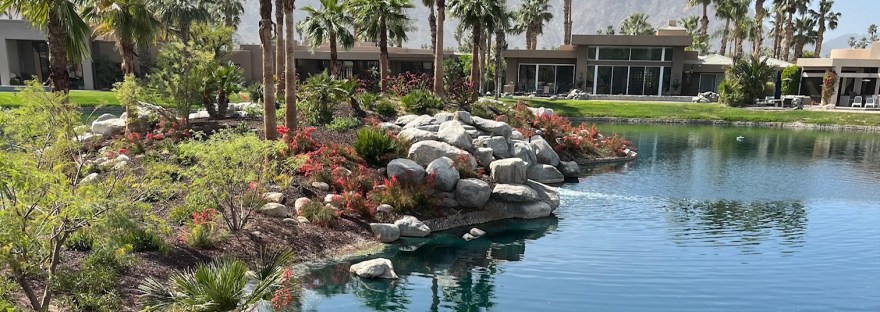
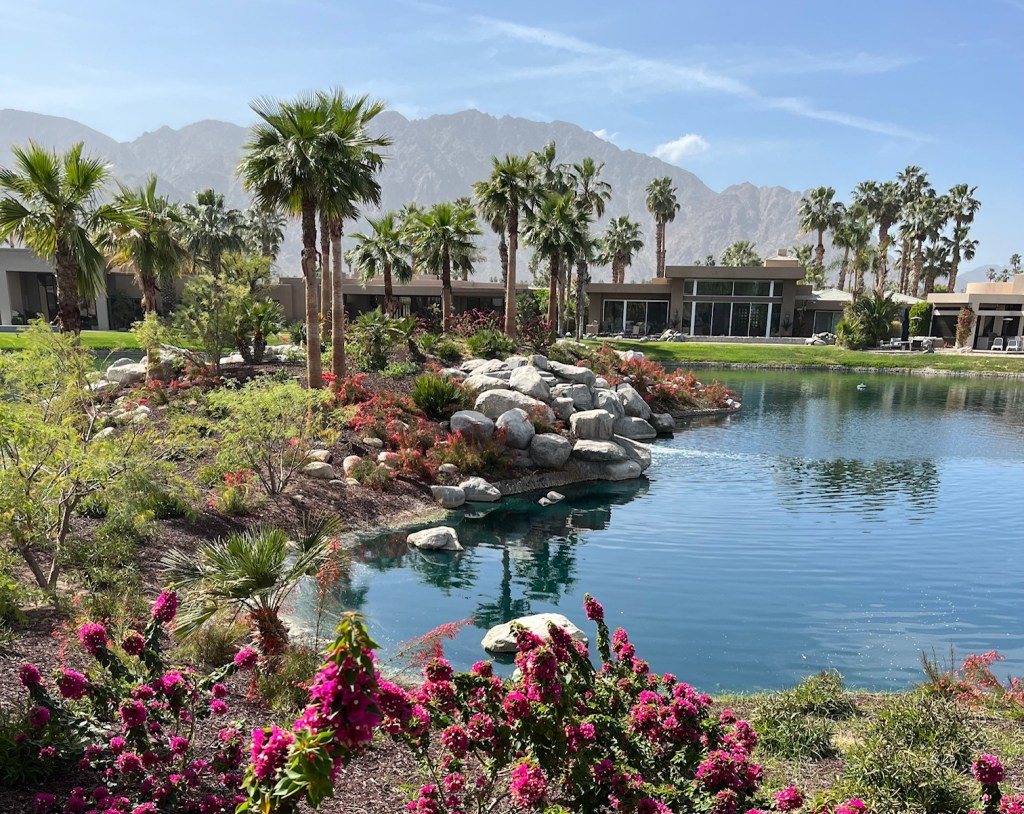
My California desert dream home is in a Homeowners Association, and it’s my first experience with an HOA community. Because I like to be in the know, I ran for the HOA Board and just completed two terms on the Board of Directors as the Chair of the Architecture Committee. Here are some tips that I’ve learned as an HOA member and a director.
The most important tip is: Do your research before you buy—especially if you’re an out of state or Canadian snowbird. One of the more important documents governing Homeowner Associations in California is the Davis-Stirling Common Interest Development Act, so learn about this part of the California Civil Code because it governs what you can and cannot do in an HOA community.
Other important tips:
- Understand what the HOA provides and ask questions before you buy. This will help you budget for dues and inevitable increases.
- Monthly dues: what’s included? Insurance, common area landscaping, lakes and waterfalls, pools, road maintenance, and roof maintenance are the big items. Utilities like streetlights and landscaping irrigation, cable/internet, and trash pickup are also commonly included.
- HOA Management: who manages the property? Is it a contracted service or a standalone corporate entity. My HOA is standalone rather than a service and that changes the responsiveness, quality and accountability of the service delivery.
- Reserves and assessments: these are for other expenses above the monthly dues. Ask the HOA General Manager about the 3 largest reserve items and how well funded they are. Typically the list includes roofs, landscaping, and irrigation infrastructure.
- Number of Associations: based on the phases of development, your community may have more than one governing association. In my community there is a Master Association that provides services like security and road maintenance over and above what the 3 other Associations provide.
- Understand what’s in the HOA Governing documents before you buy. The governing documents guide changes to public facing parts of your home. In an HOA community, you must comply with the community aesthetic. Something as simple as the color of your patio umbrella or that funny frog statue may be governed by the community aesthetic. Review the HOA website, read the community newsletter, read the governing Covenants, Conditions & Restrictions (CC&R) documents. During my four years on the Board of Directors, most of our time was spent on these 8 areas, and I’ve included a real life examples.
- Property and easements: walkways between condos and other multipurpose areas
- Powers and duties: HOA’s have no control over wildlife like birds, skunks, or rodents
- Assessments: this is a big deal when deferred maintenance for roofs, roads, or pool equipment come due
- Use restrictions: driveway use, yards signs, rentals, timeshares
- Architectural control: changes visible to community require approval including garage doors, windows, rooflines, fence lines, landscaping
- Maintenance responsibilities: streets, landscaping, building exteriors, paint colors
- Insurance: responsibilities for specific parts of the building structure; earthquake insurance
- Enforcement and member discipline: rules and fine structures for things like noise, speeding, parking, etc.
- Understand that a healthy HOA will raise monthly dues on a regular basis. The marketplace for goods and services drives increases. Labor and material costs grow. While I was on the Board, the cost of natural gas skyrocketed and that drove up the cost of heating 50+ pools and spas hitting our budget hard.
- Remember that you are joining an association of homeowners with different ideas and interests. HOA Boards are made up of volunteers who are serving the community. Good listening skills and the willingness to compromise are required of all members.
When shopping for your desert dream home in an association community, remember that you are one member of a group of property owners who all have stewardship of the larger community. My role as a Director was to consider the interests of all 1400 members in our association. As I learned from Star Trek: the good of the many outweighs the good of the few, or the one–who wants a plunge pool on the golf course fairway!
Dean Rivale, PMP® is a licensed general contractor, CREIA Certified Home Inspector, and Home Remodel Construction Manager for the Coachella Valley.


 Rivale Inspection Services