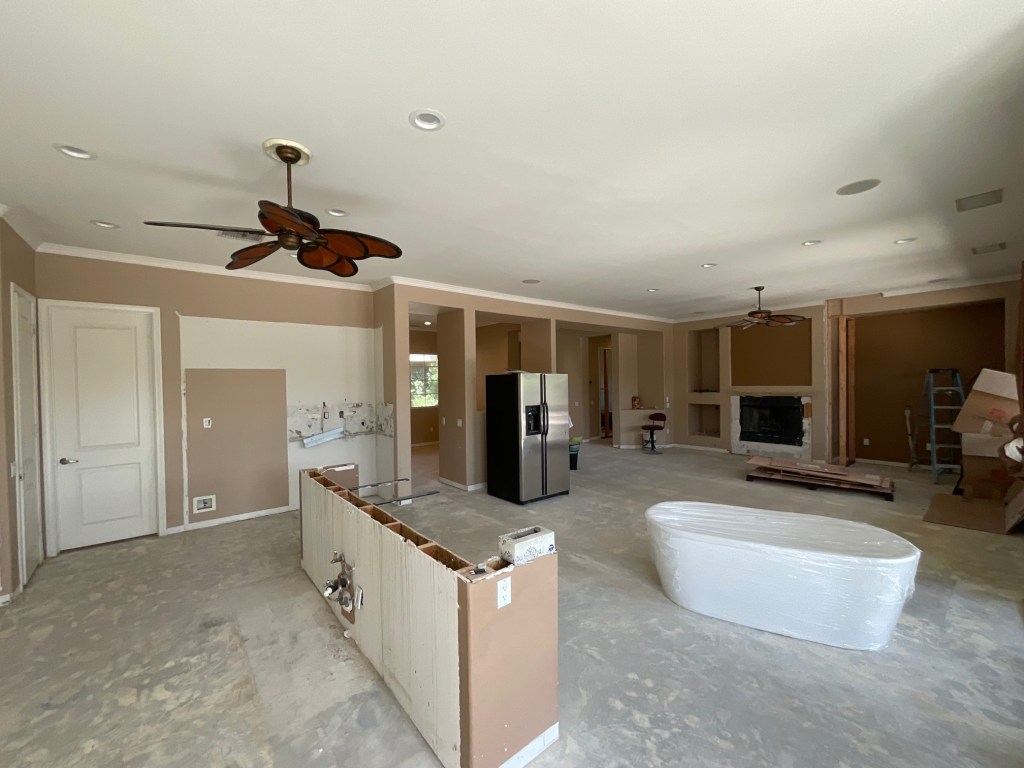
I’m currently managing a $300K home remodel in the University Park Village area of Palm Desert, California. Here are 3 tips about the importance of contracts between a homeowner, general contractor, and the sub-contractors.
Signed contracts between all parties are the key to managing a successful project. To stay on time and on budget, you need signed contracts to make sure that everyone is on the same page even for smaller projects like this one.
- Signed Contract: I came to this project after the kickoff and missing contracts are the root cause of every issue and cost overrun that we’ve had. All parties went into the project in good faith, and they have signed proposals rather than signed contracts. A proposal is a summary of the scope, list of materials, and price quote. It doesn’t have enough information to resolve problems. A contract includes a detailed scope of work with a price breakdown and a schedule of values to use for progress payments. It also describes how to make changes as the project evolves. I’ve spent time resolving costly conflicts because each party remembers conversations differently. There are no contracts to clarify the scope, clear responsibilities, or make changes. The spirit of work done on a handshake is a nice idea, but all parties need the protection of contract documents to understand expectations and work cooperatively.
- Detailed Scope of Work: the Scope of Work must be detailed. A summary helps shape the project but a detailed scope is the guide to breaking down the work and deciding how it will flow. It’s a list of items that will be done and may also include items that are out of scope. The summary scope of work on this job led to a costly miscommunication about countertop installation. There were two subcontractors involved and each thought that the other was responsible for work that didn’t get done. It’s been 5 weeks, the conflict is still unresolved, and the materials remain at the supplier 110 miles away. That’s extra time and money.
- Schedule of values: the Scope of Work also includes a schedule of values to make progress payments. Progress payments are based on the percentage of work that is complete and is agreed to in advance. This helps with cash flow for all parties. The work breakdown structure sequences the work and assigns timing and dollar amounts to the pieces of that work. It can’t be vague or too specific.
Remember that a contract with a detailed scope and schedule of values is necessary for projects of all sizes. To hit your budget numbers and project schedule milestones, you need a written guide. Please reach out to me if you need assistance planning and managing your remodel project.
Dean Rivale, PMP® is a licensed general contractor, CREIA Certified Home Inspector, and Home Remodel Construction Manager for the Coachella Valley.

 Rivale Inspection Services