

Home Inspection

Tips for buying an HOA community home

HOA common area lake and peninsula. La Quinta CA

My California desert dream home is in a Homeowners Association, and it’s my first experience with an HOA community. Because I like to be in the know, I ran for the HOA Board and just completed two terms on the Board of Directors as the Chair of the Architecture Committee. Here are some tips that I’ve learned as an HOA member and a director.

The most important tip is: Do your research before you buy—especially if you’re an out of state or Canadian snowbird. One of the more important documents governing Homeowner Associations in California is the Davis-Stirling Common Interest Development Act, so learn about this part of the California Civil Code because it governs what you can and cannot do in an HOA community.

Other important tips:

  • Understand what the HOA provides and ask questions before you buy. This will help you budget for dues and inevitable increases.
    • Monthly dues: what’s included? Insurance, common area landscaping, lakes and waterfalls, pools, road maintenance, and roof maintenance are the big items. Utilities like streetlights and landscaping irrigation, cable/internet, and trash pickup are also commonly included.
    • HOA Management: who manages the property? Is it a contracted service or a standalone corporate entity. My HOA is standalone rather than a service and that changes the responsiveness, quality and accountability of the service delivery.
    • Reserves and assessments: these are for other expenses above the monthly dues. Ask the HOA General Manager about the 3 largest reserve items and how well funded they are. Typically the list includes roofs, landscaping, and irrigation infrastructure.
    • Number of Associations: based on the phases of development, your community may have more than one governing association. In my community there is a Master Association that provides services like security and road maintenance over and above what the 3 other Associations provide.
  • Understand what’s in the HOA Governing documents before you buy. The governing documents guide changes to public facing parts of your home. In an HOA community, you must comply with the community aesthetic. Something as simple as the color of your patio umbrella or that funny frog statue may be governed by the community aesthetic. Review the HOA website, read the community newsletter, read the governing Covenants, Conditions & Restrictions (CC&R) documents. During my four years on the Board of Directors, most of our time was spent on these 8 areas, and I’ve included a real life examples.
    • Property and easements: walkways between condos and other multipurpose areas
    • Powers and duties: HOA’s have no control over wildlife like birds, skunks, or rodents
    • Assessments: this is a big deal when deferred maintenance for roofs, roads, or pool equipment come due
    • Use restrictions: driveway use, yards signs, rentals, timeshares
    • Architectural control: changes visible to community require approval including garage doors, windows, rooflines, fence lines, landscaping
    • Maintenance responsibilities: streets, landscaping, building exteriors, paint colors
    • Insurance: responsibilities for specific parts of the building structure; earthquake insurance
    • Enforcement and member discipline: rules and fine structures for things like noise, speeding, parking, etc.
  • Understand that a healthy HOA will raise monthly dues on a regular basis. The marketplace for goods and services drives increases. Labor and material costs grow. While I was on the Board, the cost of natural gas skyrocketed and that drove up the cost of heating 50+ pools and spas hitting our budget hard.
  • Remember that you are joining an association of homeowners with different ideas and interests. HOA Boards are made up of volunteers who are serving the community. Good listening skills and the willingness to compromise are required of all members.

When shopping for your desert dream home in an association community, remember that you are one member of a group of property owners who all have stewardship of the larger community. My role as a Director was to consider the interests of all 1400 members in our association. As I learned from Star Trek: the good of the many outweighs the good of the few, or the one–who wants a plunge pool on the golf course fairway!

Dean Rivale, PMP® is a licensed general contractor, CREIA Certified Home Inspector, and Home Remodel Construction Manager for the Coachella Valley.
Home Remodel

Tips for a successful home remodel: The Contract

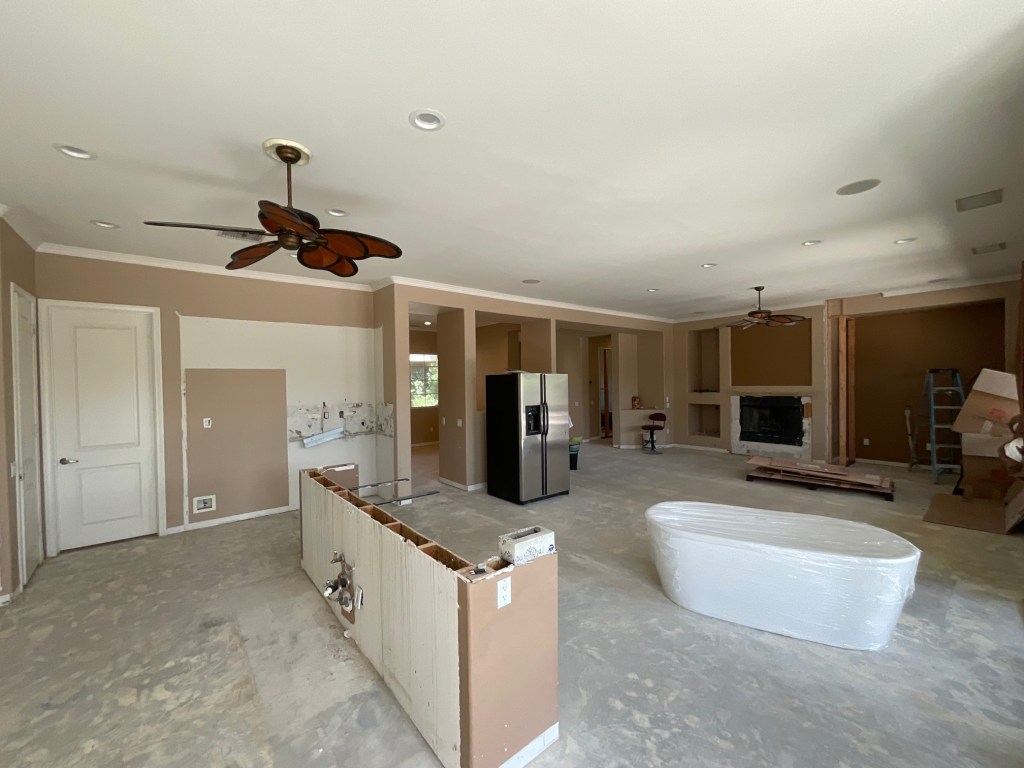
Demo progress at Palm Desert Remodel.


I’m currently managing a $300K home remodel in the University Park Village area of Palm Desert, California. Here are 3 tips about the importance of contracts between a homeowner, general contractor, and the sub-contractors.

Signed contracts between all parties are the key to managing a successful project. To stay on time and on budget, you need signed contracts to make sure that everyone is on the same page even for smaller projects like this one.

  • Signed Contract: I came to this project after the kickoff and missing contracts are the root cause of every issue and cost overrun that we’ve had. All parties went into the project in good faith, and they have signed proposals rather than signed contracts. A proposal is a summary of the scope, list of materials, and price quote. It doesn’t have enough information to resolve problems. A contract includes a detailed scope of work with a price breakdown and a schedule of values to use for progress payments. It also describes how to make changes as the project evolves. I’ve spent time resolving costly conflicts because each party remembers conversations differently. There are no contracts to clarify the scope, clear responsibilities, or make changes. The spirit of work done on a handshake is a nice idea, but all parties need the protection of contract documents to understand expectations and work cooperatively.
  • Detailed Scope of Work: the Scope of Work must be detailed. A summary helps shape the project but a detailed scope is the guide to breaking down the work and deciding how it will flow. It’s a list of items that will be done and may also include items that are out of scope. The summary scope of work on this job led to a costly miscommunication about countertop installation. There were two subcontractors involved and each thought that the other was responsible for work that didn’t get done. It’s been 5 weeks, the conflict is still unresolved, and the materials remain at the supplier 110 miles away. That’s extra time and money.
  • Schedule of values: the Scope of Work also includes a schedule of values to make progress payments. Progress payments are based on the percentage of work that is complete and is agreed to in advance. This helps with cash flow for all parties. The work breakdown structure sequences the work and assigns timing and dollar amounts to the pieces of that work. It can’t be vague or too specific.

Remember that a contract with a detailed scope and schedule of values is necessary for projects of all sizes. To hit your budget numbers and project schedule milestones, you need a written guide. Please reach out to me if you need assistance planning and managing your remodel project.

Dean Rivale, PMP® is a licensed general contractor, CREIA Certified Home Inspector, and Home Remodel Construction Manager for the Coachella Valley.

Home Inspection

Keeping up with home maintenance

IMG_2672
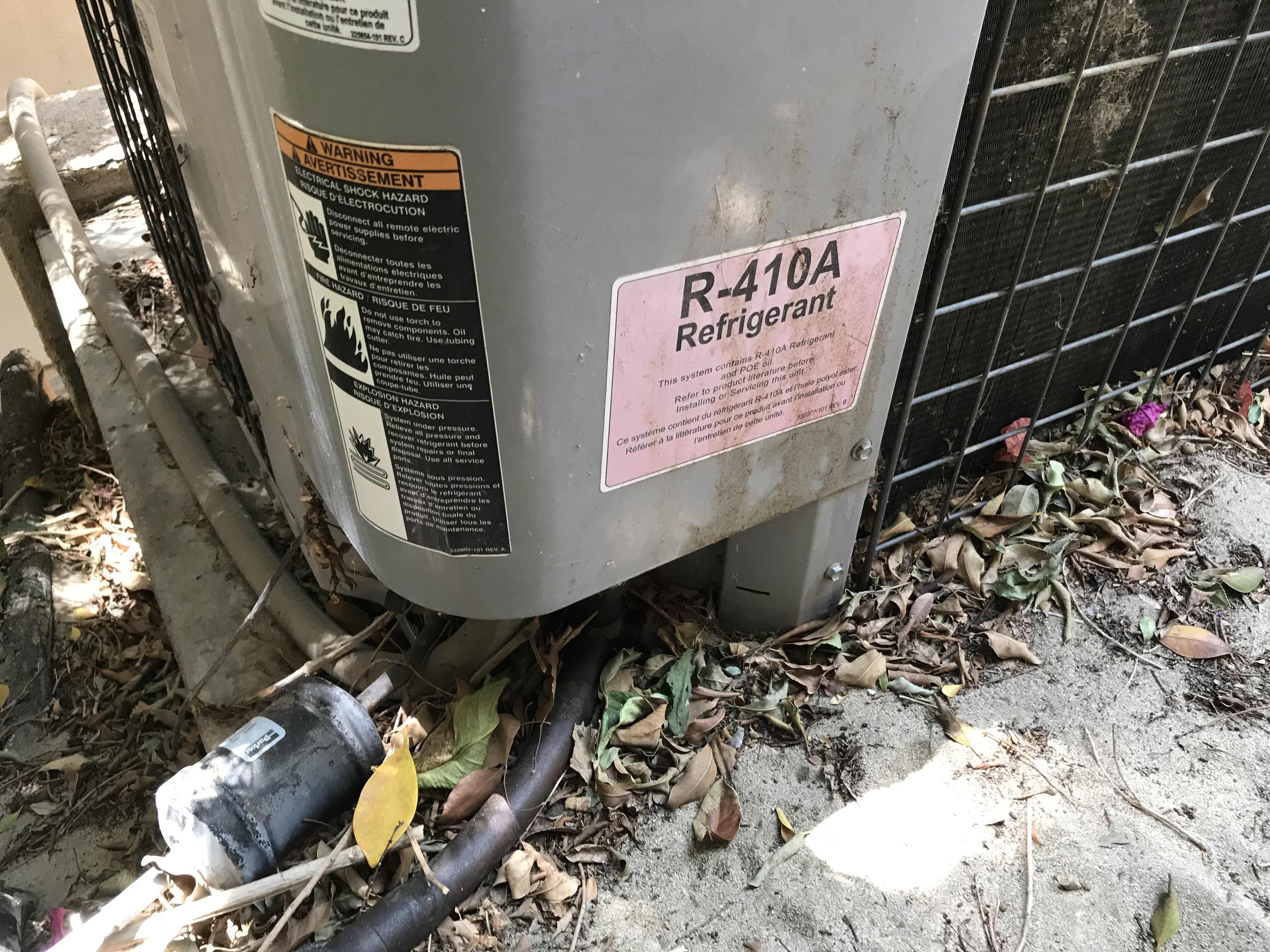
Plant & soil debris around air conditioning unit

Not many people enjoy doing home maintenance tasks, but deferring those chores can add up when it comes to selling your home. Many of my inspection findings are directly related to deferred maintenance, and those findings create lots of tension for buyers, sellers, and realtors. In a recent transaction, a $300 kitchen appliance almost blew up the deal.  Keeping up with home maintenance leads to a smoother sales transaction, and it will enhance the enjoyment of your home while you live in it.

When doing an inspection, I work from the outside in, so here are my tips for keeping up with outside maintenance.

  • Repair cracks in concrete walkways and patios
  • Monitor places where water can get in like windows, electrical panels, or stucco cracks, and remember to point sprinkler heads away from your home
  • Service pool equipment regularly, and maintain all deck coatings
  • Conduct annual roof maintenance

Once inside the home, there are two categories of maintenance: MEP (Mechanical, Electrical, and Plumbing) systems and general.

MEP systems maintenance:

  • Service HVAC regularly, change filters, replace refrigerant when required, clear plant and soil debris away from equipment; a tuned system runs more efficiently and saves on energy costs;
  • Know the age of your HVAC so that you understand when it’s coming to the end of its useful life and may need to be replaced
  • Monitor water heater for leaks and changes in temperature; remember to use the vacation setting when you’re away on short trips
  • Verify that electrical outlets located near water sources are GFCI protected, and replace cracked or missing electrical cover plates
Taking care of general home maintenance will make your life easier as you live in your home, and it shows pride of ownership at resale time.
  • Clean windows, screens, and slider door tracks
  • Repair running toilets and dripping faucets
  • Repair or update appliances when problems arise

If you’re curious about the state of your home prior to listing it, I recommend doing a pre-sale inspection to highlight needed repairs before you’re facing a deadline or are in the midst of negotiating a deal.

Dean Rivale, PMP is licensed general contractor CSLB 652130, CREIA certified home inspector, and home remodel construction manager serving the Coachella Valley.

Home Remodel

Beginning a Successful Home Renovation

I just finished reviewing the contract and scope of work for a large residential renovation project, so I’m sharing the advice that I gave my client as she began her renovation.  At the start of any project, I check licensing, insurance, and then carefully review the contract.

Licensing:  Ask your General Contractor (GC) to provide their license number so you can verify they are licensed and in good standing with the Contractors State License Board.   Make sure that the license is active, and that the proper bonds and insurance are current.  If there are complaints on file, read those and check to see if they were resolved.  If there are mechanical or electrical changes/additions in your project, ask the GC to provide the license numbers for all of the sub-contractors on your project.  If you must submit drawings for a permit that requires an Architect’s stamp, you can do the same check using their license number at the California Architects Board.

Insurance:  GC’s, architects, and designers all need to carry insurance for their protection and yours.  All of these professionals should carry General Liability (GL) insurance, so ask them to provide you with current GL certificates.  GC’s should also provide a Worker’s Compensation certificate, and designers should provide an Errors & Omissions certificate.  Each of these certificates needs to list you as “additionally insured”.  If you proceed without these certificates, you alone assume the risk and liability for the project.

Contract:  When reviewing the contract for the project, pay close attention to the project schedule.  Ideally, the schedule should have clear start and end dates for each task.  If that level of detail is missing, then it will be hard for you to hold the GC accountable to the schedule.  The contract should also state when progress payments are due. This will ensure that you are not paying for work that hasn’t been performed.  The final item, and one of the most confusing and potentially contentious, is the deposit paid upon signing the contract.  California law states that the deposit should be $1,000 or 10% of the project value, whichever is LESS.  Some GC’s will tell you they need a larger deposit to buy materials, and this indicates that they are cash-strapped and trying to stay afloat on other projects.

Managing your renovation will be stressful, especially if you’re in and out of town.  Hopefully these tips will help get you started; and if you’d like additional guidance, I’m an experienced construction manager ready to advocate for your interests.

Dean Rivale, PMP is licensed general contractor CSLB 652130, CREIA certified home inspector, and home remodel construction manager serving the Coachella Valley.

Home Inspection

Common inspection observations

This week I did several inspections, and each of the homes had some common observations.  Here are my top three along with tips for home owners:

  1. Missing  ground fault circuit interrupter (GFCI) receptacles:  these outlets are required by NEC (National Electric Code) for protection against electric shock–especially near water sources.  They are required in bathrooms, garages, outdoors, unfinished basements, crawl spaces, kitchens (including the receptacle for the dishwasher), laundry/utility/wet bars and pool/spa areas.  The most common observation is that GFCI receptacles are installed in bathrooms but forgotten in kitchens.  So, take a tour around the house to see where this common hazard may be hiding.
  2. Missing or improperly located detection devices for smoke and carbon monoxide:  building code requires one smoke detector for each bedroom, and carbon monoxide detectors installed outside each sleeping area in the immediate vicinity of the bedrooms on each level of the home.  This includes basements with fuel fired appliances like furnaces, water heaters and gas stoves.  Make a list of these areas in your home, and be sure that you know where each detection device is, and what kind of batteries it takes.  Put a note on your calendar, or a reminder on your phone, to check your batteries twice a year when you change your clocks.
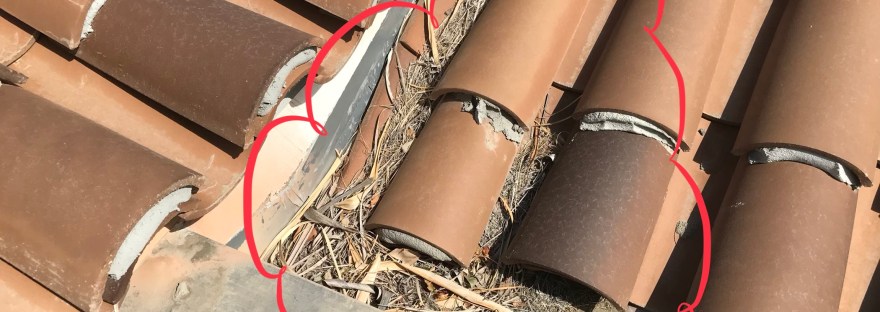
  3. Roof debris:  I commonly see a build up of organic debris (leaves, berries, palm fronds, etc.) in roof valleys.  This is particularly common after a wind storm.  The strong winds can lift the tiles and debris gets wedged between the tile edges.  When built up roof debris gets wet, it can prematurely deteriorate the underlayment.  Premature deterioration can lead to dry rot of the framing, and create an environment conducive to mold growth.  This type of hidden damage can go undetected until it becomes a costly problem.  Check your roof quarterly, and after a big wind storm, to ensure that debris is not collecting in the roof valleys.

Dean Rivale, PMP is licensed general contractor CSLB 652130, CREIA certified home inspector, and home remodel construction manager serving the Coachella Valley.